
 EN
EN
 AR
AR FR
FR DE
DE IT
IT JA
JA PT
PT RU
RU ES
ES NL
NL RO
RO PL
PL VI
VI GA
GA MS
MS SK
SK SV
SV IW
IW KO
KO TL
TL
Edge Protection Fence: The Complete Guide to Site Safety & Compliance
Every construction site manager faces the same dilemma: how do you protect workers from edge-related falls without slowing down the project or blowing the safety budget? The answer lies in choosing the right edge protection fence — a deceptively simple product that carries enormous legal and human consequences when done wrong.
At Anping Guoxing Wire Mesh Products, we have spent over a decade manufacturing edge protection fencing for construction sites across more than 30 countries. This article answers the questions our clients ask most often, from regulatory requirements to material selection, so you can make an informed decision before your next project begins.
What Exactly Is an Edge Protection Fence?
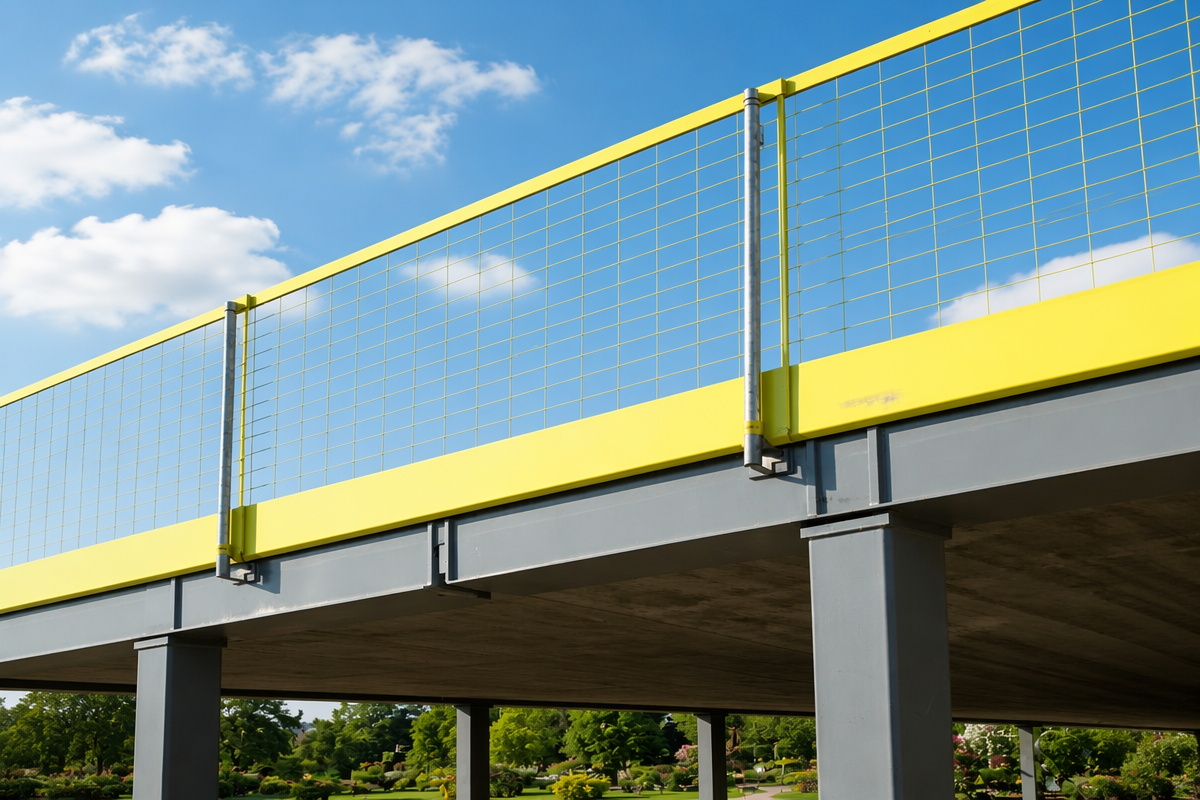
An edge protection fence is a temporary or semi-permanent barrier system installed along the perimeter of elevated work surfaces — think roof edges, open floor slabs, stairwell openings, elevator shafts, and balcony perimeters on multi-story construction sites. Unlike general-purpose temporary fencing used at ground level for crowd control or site security, edge protection systems are engineered to absorb lateral impact loads and prevent falls from height, which remain the leading cause of fatal injuries in the construction industry worldwide.
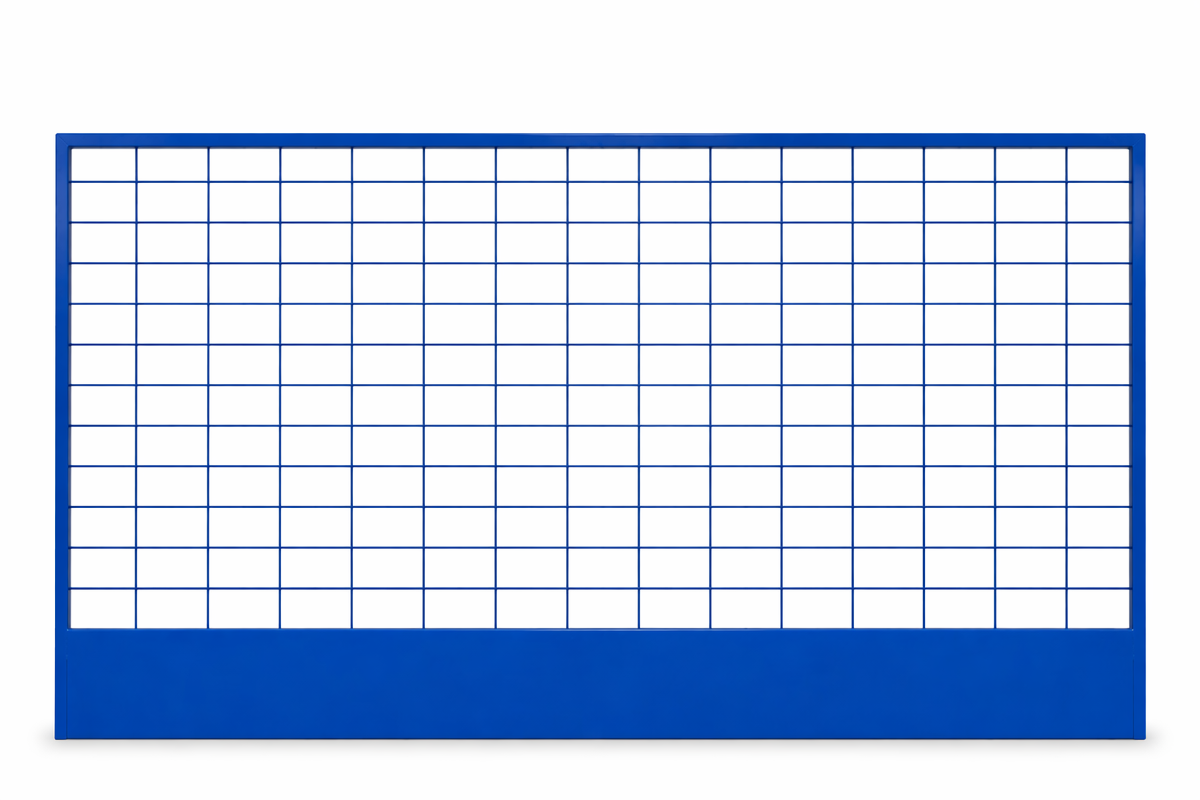
A proper edge protection fence typically consists of steel or aluminum vertical posts, horizontal guard rails, toe boards, and mesh or panel infill. The system must be able to withstand a concentrated load without deflecting beyond regulatory limits. This is not a product where "close enough" is acceptable — edge protection is the last line of defense between a worker and a potentially fatal fall.
Which Safety Standards Apply to Edge Protection Fencing?
This is the single most common question we receive, and the answer depends on where your project is located. Different jurisdictions enforce different standards, but the core principles are remarkably consistent:
OSHA (United States): Under 29 CFR 1926.502, guardrail systems must be 42 inches (1,067 mm) in height, with a mid-rail installed at approximately 21 inches. Top rails must withstand a minimum of 200 pounds (890 N) of force applied downward or outward. Toe boards must be at least 3.5 inches (89 mm) tall.
BS EN 13374 (European Union): This standard defines three classes of edge protection based on the slope of the working surface. Class A covers flat or gently sloping surfaces (up to 10 degrees), Class B covers steeper slopes, and Class C covers surfaces where workers could slide and require arrest systems.
CSA Z797 (Canada): Canadian standards require edge protection systems to be designed, manufactured, and installed to withstand foreseeable forces, with specific requirements for post spacing, rail height between 900 mm and 1,100 mm, and a toe board height of at least 100 mm (4 inches).
AS/NZS 4994 (Australia/New Zealand): Guardrail height must be at least 900 mm, with a maximum gap between rails of 450 mm. Toe boards must be a minimum of 150 mm high.
When sourcing edge protection fencing for a specific market, always confirm with your supplier that their product is tested to the relevant standard. At Guoxing, our edge protection systems are designed with these international variations in mind and can be configured to meet OSHA, EN 13374, CSA Z797, or AS/NZS 4994 requirements.
What Materials Work Best for Edge Protection Systems?
Material choice directly affects durability, weight, installation speed, and long-term cost of ownership. The three most common options are:
Galvanized Steel
Hot-dip galvanized steel is the industry standard for edge protection fencing. The zinc coating provides decades of corrosion resistance, even in harsh outdoor environments. Steel posts and rails offer the highest impact resistance and are suitable for heavy-duty applications where the fence may be subjected to tool drops, material movement, and wind loading. The trade-off is weight — steel systems are heavier and require more labor to install and dismantle.
Powder-Coated Steel
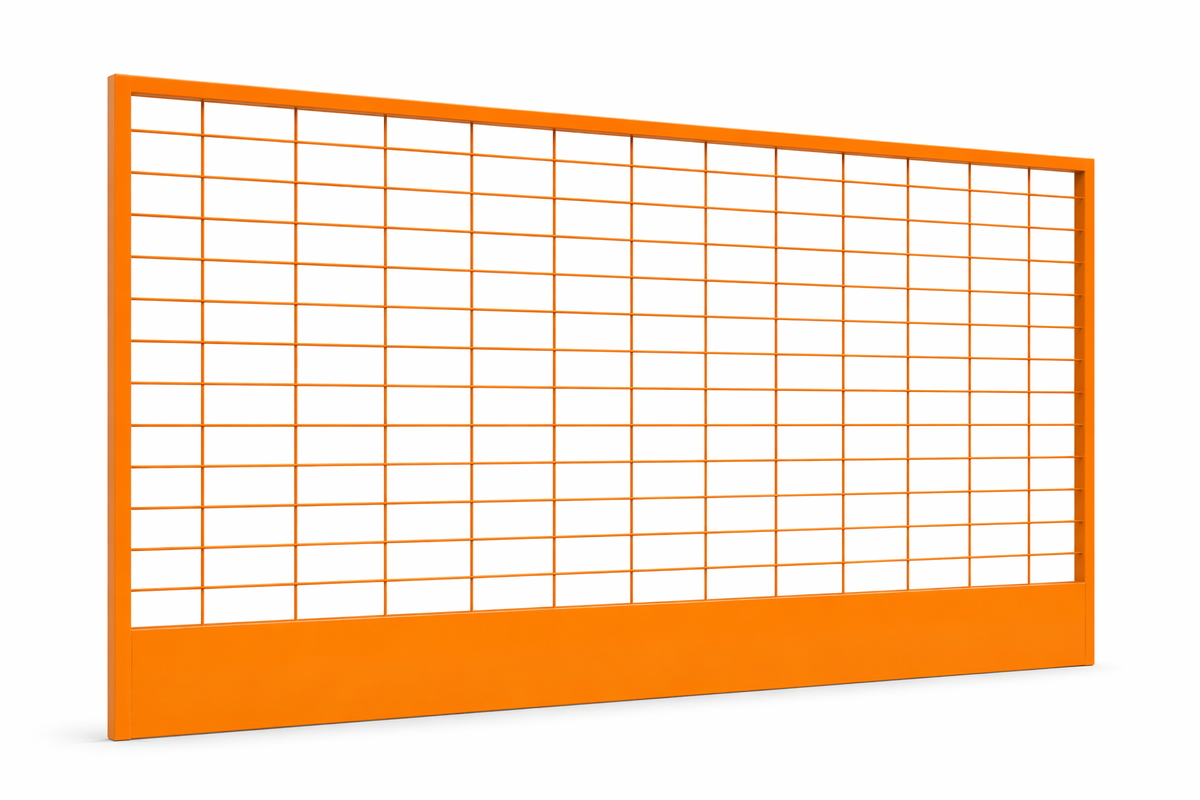
When visibility matters — for example, on sites near public roads or in urban environments — a powder-coated finish adds a layer of color (typically safety yellow or bright orange) that makes the barrier highly visible. The powder coating also provides additional corrosion protection on top of the galvanized base layer. This is the configuration most of our European and North American clients prefer.
Aluminum Alloy
Aluminum edge protection systems are gaining popularity for projects where rapid installation and frequent repositioning are priorities. Aluminum is roughly one-third the weight of steel, which reduces labor fatigue and speeds up installation cycles. However, aluminum has lower impact resistance and typically costs more per unit. It is best suited for well-controlled sites with lower mechanical risk.
How Do You Choose the Right Edge Protection Fence for Your Project?
We recommend evaluating four factors before placing an order:
1. The Nature of the Fall Hazard
Is the edge protection being installed at a roof perimeter where workers are walking and carrying materials, or at a stairwell opening where the primary risk is a misstep? High-traffic areas with dynamic loads (people moving, tools being carried) demand a sturdier system with closer post spacing. A roof edge where workers occasionally pass by may tolerate wider post spacing and a lighter frame.
2. Exposure Conditions
Will the edge protection fence be exposed to coastal salt spray, industrial chemicals, or extreme temperature swings? In marine environments, specify a higher-grade galvanization (minimum 275 g/m² zinc coating) or consider stainless steel components for critical connection points. In regions with freeze-thaw cycles, ensure that base plates and clamps are designed to prevent water accumulation and ice expansion damage.
3. Installation and Dismantling Frequency
A project that runs for 18 months with the edge protection installed once favors a robust, heavy-duty steel system. A contractor who moves the barrier weekly between different floor levels or job sites will benefit from a lighter, modular system with quick-release clamps and minimal tool requirements.
4. Regulatory Compliance
We already covered the specific standards above, but the practical implication is this: do not assume a system certified in one country is automatically compliant in another. When in doubt, ask the manufacturer for test certificates and load-test data — reputable suppliers will have these documents readily available.
Common Mistakes When Buying Edge Protection Fencing
After years of supplying contractors globally, we have observed several recurring mistakes that cost buyers time, money, and compliance headaches:
Buying on price alone. A cheap edge protection fence that fails during an inspection triggers project delays, fines, and — in the worst case — serious accidents. The purchase price of the fence itself is typically less than 5% of the total project cost. Saving a few dollars per meter on a non-compliant system is a false economy.
Ignoring post spacing limits. Some installers stretch post spacing beyond the manufacturer's specification to save on hardware. Even if the rail itself is rated for the required load, wider spacing increases deflection under impact and can cause the system to fail a regulatory inspection. Always follow the manufacturer's spacing table exactly.
Overlooking toe board requirements. The toe board is easy to forget because it seems insignificant compared to the guard rail, but it serves a critical function: preventing tools, debris, and small materials from being kicked off the edge onto workers or pedestrians below. A missing or undersized toe board is one of the most frequent OSHA citation items.
Mixing incompatible components. Edge protection systems from different manufacturers are rarely interchangeable. Clamps, posts, and rails are designed as a matched system. Mixing components from different suppliers can create weak points that compromise the entire barrier's load-bearing capacity.
Why Choose Guoxing Edge Protection Fence?
As an ISO9001-certified manufacturer located in Anping — the global center of wire mesh production — we bring distinct advantages to your edge protection procurement:
Factory-direct pricing without intermediary markups, giving you more budget for other site safety measures.
Configurable systems that can be adjusted to meet OSHA, EN 13374, CSA Z797, or AS/NZS 4994 requirements depending on your market.
Hot-dip galvanized and powder-coated options with corrosion resistance tested and proven in projects across North America, Europe, the Middle East, and Australia.
Custom dimensions available — while standard post heights and rail lengths cover most projects, we manufacture to your specifications when non-standard spacing or height is required.
Full documentation support — test certificates, material composition reports, and compliance statements are provided with every order to streamline your site safety audits and regulatory inspections.
Investing in the right edge protection fence is not a cost — it is insurance for your workers, your project timeline, and your company's reputation. If you are planning a project and need a reliable edge protection system with verified compliance documentation and competitive factory-direct pricing, contact the Guoxing team today for a tailored quotation.
Request your free consultation and product specification sheet — Contact Us Today.